

A ready meal for the lunch break, a quick dinner at the end of the day or a meal available during a night shift. Vending can cater for an increasingly diverse range of consumption occasions, complementing its established offer with new products and purchasing options. In Italy, a study by Jakala for CONFIDA recorded a 29.8% increase in ready meals in 2025, against an overall decline of 4.18% in vending machine purchases. A trend that highlights the opportunities surrounding mealtimes and the solutions available to meet this demand.
Smart fridges and micromarkets
Against this backdrop, smart fridges and micromarkets are expanding the development opportunities for the vending industry. The report published by the European Vending & Coffee Service Association in October 2025 recorded growth of 95% for smart fridges and 15% for micromarkets compared with the previous survey. Both formats are expanding in a European market where growth in the installed machine base and consumption remains very limited.
The UK provides an even more recent indication of this trend. According to the AVA's Census & Market Report 2025, standalone smart fridges and freezers, excluding those installed within micromarkets, reached approximately 2,850 units, an increase of around 50% compared with 2024. Micromarkets, meanwhile, numbered approximately 785, up 8%. These figures show how automated retail is taking on different formats to meet the evolving needs of foodservice provision.
A smart fridge is a temperature-controlled unit with restricted access: consumers open the door, select their products and the system identifies the items using cameras, weight sensors or RFID technology, automatically processing the payment. A micromarket, on the other hand, provides a small self-service space with shelves, fridges and payment via a self-service checkout or app. It can bring together ready meals, snacks, drinks and coffee, with a microwave and an area where customers can enjoy their food. Both formats allow consumers to select products directly and put together purchases featuring multiple items.
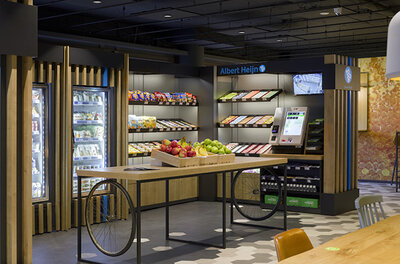
Automated foodservice: opportunities and operational management for operators
For operators, the opportunity lies in designing a service around the people who use each location and their daily routines. In offices, universities and facilities with shift workers, these formats can complement existing catering services or cover time slots when other foodservice options are unavailable. User numbers, available space and purchasing frequency all play a key role in determining the format, product range and replenishment schedule.
Expanding the offer requires dedicated management, particularly when fresh products are involved. Maintaining the cold chain, monitoring expiry dates and managing stock rotation must all go hand in hand with product selection and the control of unsold items. Sales data can help operators identify preferences across different days and time slots, adjusting quantities and availability to match demand. Technology therefore also creates value by helping coordinate product ranges, replenishment and the purchasing experience, with the aim of delivering a continuous and commercially sustainable service for operators.
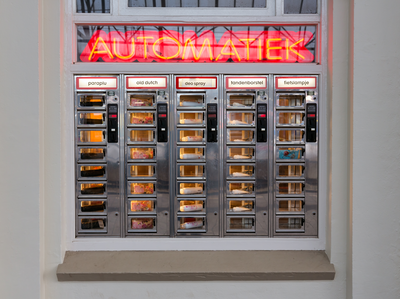
Venditalia 2028, taking place from 3 to 6 May at Rimini Expo Centre, provides an opportunity for the entire industry to bring these areas of expertise together. Food companies, manufacturers of refrigeration systems, providers of product recognition and payment technologies, and vending operators will be able to explore how products and solutions can be integrated across different locations. Smart fridges and micromarkets are opening up new prospects for vending: an opportunity to develop services that combine product variety, convenient purchasing and operational efficiency, while catering for consumers at lunchtime and beyond.
Subscribe to our the newsletter to stay updated with the latest news from Venditalia: SUBSCRIBE HERE
Leggi la versione italiana QUI
PUBLICATION
17/11/2026
Vending trends
Other related news

18/03/2026
Venditalia 2026: the vending industry’s journey towards a sustainable future

28/04/2025
Venditalia 2026: a new international vision for the vending industry in Rimini

24/08/2026
Functional drinks are changing the vending industry

20/10/2025
Functional coffee: a global trend in the vending industry

03/03/2026
Vending and the workplace: coworking as an increasingly attractive market

15/12/2025
Cybersecurity: a strategic priority for digital vending

04/11/2026
Deposit Return System: the vending sector prepares for the 2029 European deadline

19/11/2025
Design in vending: aesthetics and innovation shaping the break of the future

07/07/2026
The vending industry enters the era of connectivity

08/10/2025
Vending and fuel stations: new opportunities in the electric mobility era

23/09/2025
The Halal marketing is growing and opening new opportunities for vending global growth of the Halal industry

28/11/2025
Vending & Hospitality: a key opportunity for hotels, B&Bs and campsites

11/12/2025
Venditalia Voices: inside Vending with Lavazza
07/01/2026
Venditalia Voices: trends and outlook of coffee vending with Covim
19/01/2026
Venditalia Voices: how N-and applies Contextual AI to the vending industry
04/02/2026
Venditalia Voices: boosting vending efficiency with Bianchi Industry