

In the Italian vending market, cold drinks closed 2025 down 5.85%, but one segment within the category is moving in the opposite direction: energy drinks grew by 5.9%. This figure is even more significant when compared with the overall 4.18% decline in vending consumption. Behind these figures lies a broader shift: drinks are no longer chosen simply to quench thirst or accompany a break, but increasingly to meet a specific consumption need.
Energy and sports drinks market is growing across Europe
Energy, hydration, protein, vitamins, minerals and other wellness-oriented formulations are expanding the boundaries of a market that includes a wide range of different products. One of the most recent estimates, produced by Grand View Research, values the European functional drinks market at $45.4 billion in 2025 and forecasts growth to $83.9 billion by 2033. The research covers energy drinks and shots, sports drinks and nutraceutical beverages; energy drinks currently account for the largest share, representing 58.6% of the European market value considered in the study.
Other indicators also confirm the transformation underway. Across the six major European markets monitored by Circana – France, Germany, Italy, the Netherlands, Spain and the United Kingdom – soft drinks reached a value of €97 billion in 2025, up 5.1%, while alcoholic drinks declined by 1.8%. Sports and energy drinks are among the most dynamic segments: in the twelve months to June 2025, European retail sales increased by 7.7% in value, 4.3% in units sold and 3.2% in volume. In the out-of-home market, energy drinks increased servings by 9% year on year.
Consumers are paying increasing attention to nutritional information
A 2026 survey conducted by AstraRicerche for ASSOBIBE found that 58% of Italians look for products with less sugar, 57% read nutritional information and six out of ten consumers consider low calorie content or reduced sugar important. Taste remains essential, however, for 90% of respondents. The shift is even more evident among younger consumers: at the bar, one in two Gen Z consumers chooses a light or sugar-free version. The future of functional drinks therefore lies not only in adding a specific function, but also in combining it with taste, convenience and nutritional profiles that match new consumer expectations.
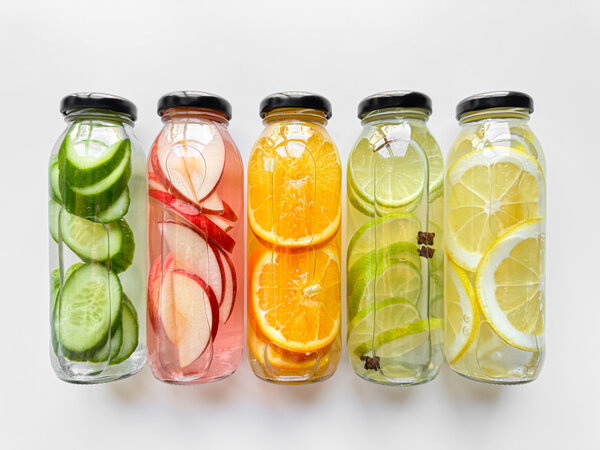
Vending is tapping into the growth of functional drinks
This scenario is particularly relevant for vending. Euromonitor confirms the specific role of the channel: in the Italian sports drinks market, vending and e-commerce are among the best-performing channels in a challenging market, while for energy drinks the research company reports strong sales growth through vending. Functional water is also identified as a category expected to gain further space in the coming years.
The reason also lies in the very nature of automated consumption. A functional drink often responds to a need linked to a specific moment of the day: energy during work or study, hydration during physical activity, protein after training, or an enriched drink as an alternative to traditional options. Vending can make these products available exactly where and when the need arises, from gyms and offices to study spaces, hospitality venues and high-mobility locations.
The evolution is not only about what is placed inside a vending machine. Venditalia 2026 showed how functional drinks can also influence dispensing technology. Alongside traditional packaged products – energy drinks, isotonic drinks, vitamin waters and high-protein products – the show featured solutions capable of dispensing personalised drinks directly, including zero-calorie formulations enriched with minerals and vitamins, particularly for gyms, fitness centres and wellness environments. Connected, remotely managed systems also make it possible to adjust the product offering, monitor consumption and adapt the service to the specific location.
This is perhaps the most interesting development for vending. A functional drink is not simply another product to add to the range: it can create new consumption occasions and new service models.
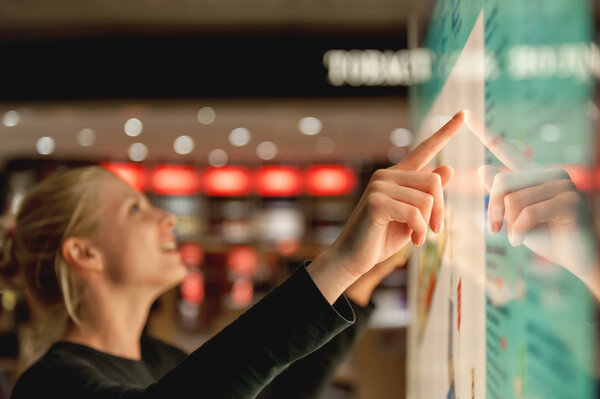
Information helps consumers make the right choice
There is one final element that is set to become increasingly important: communication. In Europe, nutrition and health claims used on food and beverages are regulated by Regulation (EC) No 1924/2006 and must be clear, accurate and supported by scientific evidence. In a market where enriched products, ingredients and claimed functions are becoming increasingly widespread, the ability to explain clearly and accurately what a drink contains becomes part of the purchasing experience itself. Touchscreens and digital interfaces can give vending an additional tool for providing information and helping consumers make their choice.
Venditalia 2026 had already included functional drinks among the categories featured in the new Food & Beverage pathway, and what was showcased across the halls in Rimini confirmed the direction of the market. The future will not mean replacing traditional drinks, but expanding the offer to address new needs and new consumption occasions. For vending, this means moving increasingly from the logic of the break to that of the service: not simply something to drink, but the drink that best suits that consumer, in that place and at that moment.
Subscribe to our the newsletter to stay updated with the latest news from Venditalia: SUBSCRIBE HERE
Leggi la versione italiana QUI
PUBLICATION
24/08/2026
Other related news

18/03/2026
Venditalia 2026: the vending industry’s journey towards a sustainable future

28/04/2025
Venditalia 2026: a new international vision for the vending industry in Rimini

20/10/2025
Functional coffee: a global trend in the vending industry

03/03/2026
Vending and the workplace: coworking as an increasingly attractive market

15/12/2025
Cybersecurity: a strategic priority for digital vending

19/11/2025
Design in vending: aesthetics and innovation shaping the break of the future

07/07/2026
The vending industry enters the era of connectivity

08/10/2025
Vending and fuel stations: new opportunities in the electric mobility era

23/09/2025
The Halal marketing is growing and opening new opportunities for vending global growth of the Halal industry

28/11/2025
Vending & Hospitality: a key opportunity for hotels, B&Bs and campsites

11/12/2025
Venditalia Voices: inside Vending with Lavazza
07/01/2026
Venditalia Voices: trends and outlook of coffee vending with Covim
19/01/2026
Venditalia Voices: how N-and applies Contextual AI to the vending industry
04/02/2026
Venditalia Voices: boosting vending efficiency with Bianchi Industry
16/02/2026
Venditalia Voices: the RiVending model for circular economy
09/03/2026
Venditalia Voices: Hydra Technology & Innovation revolutionizes water filtration