

Gyms, fitness centres and wellness clubs represent an increasingly large and well-established market. According to the European Health & Fitness Market Report 2026, published by EuropeActive and Deloitte, the European fitness sector reached 75.5 million members, 67,515 clubs and €39.1 billion in revenue in 2025. In just one year, membership increased by 5.8%, the number of facilities grew by 2.8%, and industry revenue rose by 9.1%.
This is about more than simply an increase in gym attendance. Fitness is becoming an integral part of everyday lifestyles, expanding beyond exercise to include nutrition, prevention, recovery and overall wellbeing. People who regularly engage in physical activity are paying increasing attention to what they eat and drink, as well as to the products they use before, during and after their workouts.
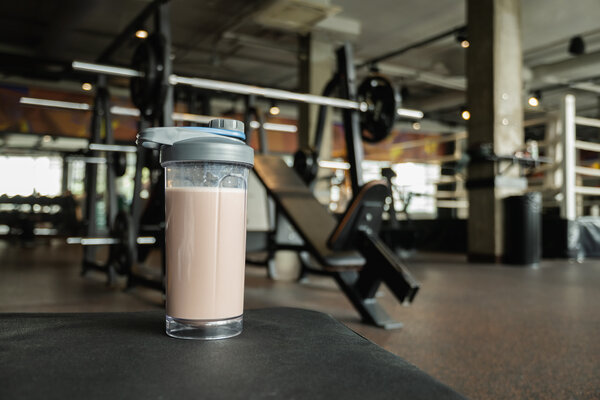
From vending machine to wellness service
For the vending industry, this evolution represents an opportunity that goes far beyond placing a water and snack vending machine at the entrance to a gym. The real challenge is creating a vertical service designed around a specific location, its users and the different moments of their visit. Rather than adapting a standard vending machine to a fitness centre, the focus shifts to delivering a tailored offering that supports consumers before, during and after physical activity.
Venditalia 2026 highlighted several developments in this direction. Exhibitors showcased systems dedicated to functional beverages and wellness, dispensing drinks enriched with vitamins and minerals and specifically designed for gyms and fitness centres. The range also included isotonic drinks, high-protein products and functional single-serve snacks made with legumes, nuts and other ingredients associated with sports nutrition.
One of the most interesting innovations came from the hardware itself: an exhibitor introduced a vending machine capable of preparing a complete range of supplements from soluble ingredients, delivering customised products for every stage of physical activity, from pre-workout formulas to during-workout drinks and post-workout recovery solutions.
These products and technologies can be combined into an entirely new vending offer. Hydration remains the starting point, with water, isotonic drinks and functional beverages. This can be complemented by ready-to-drink protein shakes, freshly prepared supplements, protein bars, nuts, protein snacks and other single-serve products. Shakers, reusable bottles and small workout accessories can further enhance the service, providing practical solutions for users who may have forgotten their equipment.
The necessary technologies are already available. Alongside traditional refrigerated vending machines for bottles, cans and snacks, there are systems capable of dosing and mixing chilled soluble products, allowing users to choose from different recipes and dispense beverages directly into a cup, reusable bottle or shaker. Contactless payments, telemetry, remote management and stock monitoring also make it possible to operate the service more efficiently and consistently.
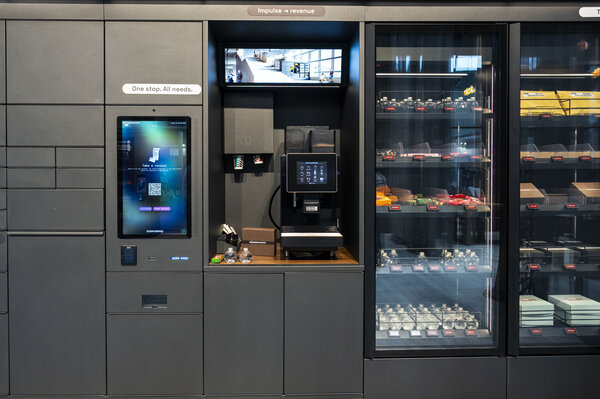
A model built around each individual location
The vending machine can therefore become a genuine service point within the gym. Its digital interface can be customised to reflect the club's identity, present the product range more effectively and support consumers in making their choices. Integration with mobile apps, membership cards and loyalty programmes can also enable dedicated promotions, bundled offers or subscription-linked consumption plans.
However, vertical vending requires a different operating model from traditional vending. Product selection should be tailored according to membership numbers, opening hours, peak attendance times, the sports practised and the positioning of the facility. A 24-hour gym, a boutique fitness club, a padel centre and a wellness resort all require different assortments. Product formats, pricing, replenishment frequency and stock rotation must also be adapted to each individual location.
The same approach can be applied to swimming pools, sports campuses, multi-purpose sports centres, arenas, outdoor sports facilities and hotel wellness areas. In each environment, the vending machine can fulfil a different role: a hydration station, a post-workout service, a destination for functional products, a point of sale for accessories or an automated extension of an on-site café. This ability to specialise is what enables vending to enter markets that have so far only been served occasionally.
The challenge, therefore, is not simply to place vending machines inside gyms, where they have existed for many years, but to transform them into a recognised part of the overall fitness experience. Achieving this requires collaboration between vending machine manufacturers, beverage producers, supplement and food brands, vending operators, gym chains and wellness providers to develop scalable and commercially sustainable formats.
Venditalia 2026 demonstrated that the products, technologies and expertise are already available. The journey towards Venditalia 2028 will be about taking the next step: turning individual solutions into integrated concepts capable of making gyms and wellness environments one of the next strategic locations for the vending industry.
Subscribe to our the newsletter to stay updated with the latest news from Venditalia: SUBSCRIBE HERE
Leggi la versione italiana QUI
PUBLICATION
12/08/2026
Other related news

18/03/2026
Venditalia 2026: the vending industry’s journey towards a sustainable future

28/04/2025
Venditalia 2026: a new international vision for the vending industry in Rimini

24/08/2026
Functional drinks are changing the vending industry

20/10/2025
Functional coffee: a global trend in the vending industry

03/03/2026
Vending and the workplace: coworking as an increasingly attractive market

15/12/2025
Cybersecurity: a strategic priority for digital vending

19/11/2025
Design in vending: aesthetics and innovation shaping the break of the future

07/07/2026
The vending industry enters the era of connectivity

08/10/2025
Vending and fuel stations: new opportunities in the electric mobility era

23/09/2025
The Halal marketing is growing and opening new opportunities for vending global growth of the Halal industry

28/11/2025
Vending & Hospitality: a key opportunity for hotels, B&Bs and campsites

11/12/2025
Venditalia Voices: inside Vending with Lavazza
07/01/2026
Venditalia Voices: trends and outlook of coffee vending with Covim
19/01/2026
Venditalia Voices: how N-and applies Contextual AI to the vending industry
04/02/2026
Venditalia Voices: boosting vending efficiency with Bianchi Industry
16/02/2026
Venditalia Voices: the RiVending model for circular economy